
Step-by-Step Guide to Fast and Affordable Pool Repairs in Montgomery
May 21, 2026
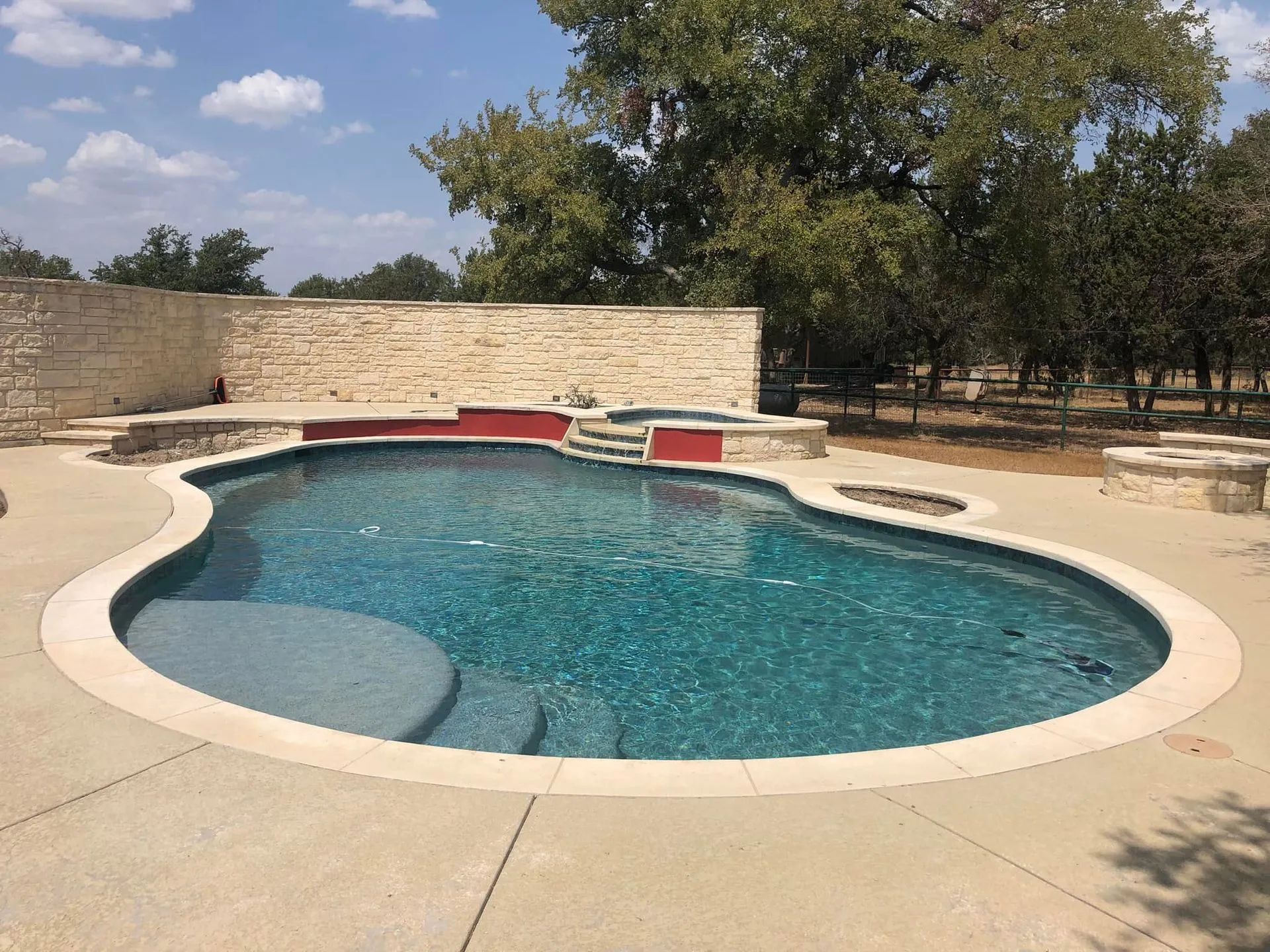
Swimming pools add comfort, value, and recreation to residential properties, especially in warm climates where outdoor living is part of everyday life. However, even the best-maintained pools eventually develop issues that require attention. Cracked plaster, leaking pipes, malfunctioning pumps, damaged tiles, and water chemistry imbalances can quickly turn a relaxing backyard feature into a costly problem. Property owners in Montgomery often face additional challenges caused by heat, changing weather conditions, heavy pool usage, and long operational seasons
Professional pool repair services involve much more than fixing visible damage. Effective repairs require accurate inspections, proper diagnosis, durable materials, and long-term preventative solutions. A step-by-step repair strategy allows homeowners to address issues quickly while staying within budget. By learning the repair process, common causes of damage, and cost-saving practices, pool owners can maintain safe, attractive, and fully functional swimming pools throughout the year.
Understanding Common Pool Problems Before Repairs
Pool repairs become easier and more affordable when problems are identified early. Many homeowners focus only on visible surface damage while ignoring mechanical or structural warning signs developing underneath. Understanding the most common issues helps prevent emergency repairs and costly replacements.
Structural Cracks and Surface Damage
Pool surfaces naturally experience wear over time due to water pressure, temperature fluctuations, and chemical exposure. Small cracks in plaster, concrete, or gunite may appear harmless initially, but they can eventually allow water to seep into surrounding soil. This creates instability and increases the risk of larger structural failures.
Surface deterioration also affects pool aesthetics and swimmer comfort. Rough finishes, chipped tiles, and peeling coatings reduce the overall appearance of the pool and may lead to injuries. Fast repairs prevent additional deterioration while extending the lifespan of the structure.
Warning Signs of Structural Problems
- Visible cracks along walls or flooring
- Loose or broken pool tiles
- Sudden water loss
- Uneven decking around the pool
- Hollow sounds beneath plaster surfaces
Addressing these warning signs immediately often keeps repair costs manageable.
Equipment Failures and Mechanical Issues
Pool systems rely on pumps, filters, heaters, and plumbing components to maintain circulation and water quality. Mechanical failures are among the most common repair concerns because pool equipment operates daily under demanding conditions.
A failing pump motor, clogged filtration system, or leaking pipe can reduce efficiency and increase utility bills. In many cases, early repairs cost far less than full equipment replacement.
Common Equipment Problems
- Loud pump noises
- Weak water circulation
- Dirty or cloudy water
- Heater malfunctions
- Broken pool automation systems
Routine inspections help detect these problems before they disrupt the entire pool system.
Step One: Conducting a Thorough Pool Inspection
Every successful pool repair project begins with a detailed inspection. Skipping this step often leads to misdiagnosis, repeat repairs, and unnecessary expenses.
Visual Assessment of the Pool Area
The first stage involves evaluating the entire pool structure and surrounding area. Professionals examine the surface, coping, tile lines, decking, skimmers, and drainage systems for visible signs of wear or movement.
Inspecting nearby landscaping is equally important because shifting soil, invasive tree roots, or drainage problems can contribute to structural damage.
Areas Commonly Inspected
- Pool shell and plaster
- Plumbing lines
- Decking and expansion joints
- Lighting systems
- Pool steps and ladders
A complete visual inspection creates a clear understanding of the repair scope before work begins.
Leak Detection and Pressure Testing
Water loss is one of the most expensive pool issues when left unresolved. Accurate leak detection prevents unnecessary digging and helps identify hidden plumbing problems quickly.
Pressure testing determines whether underground pipes are losing water. Specialized equipment can pinpoint leaks in return lines, skimmers, or drains without causing excessive property disruption.
Benefits of Early Leak Detection
- Reduces water waste
- Prevents soil erosion
- Protects pool foundations
- Lowers utility costs
- Minimizes structural movement
Early leak repairs significantly reduce long-term repair expenses.
Step Two: Prioritizing Repairs for Speed and Affordability
Not every repair requires immediate full replacement. Strategic prioritization allows homeowners to address urgent concerns first while planning future upgrades responsibly.
Focusing on Safety-Critical Repairs
Safety-related issues should always receive top priority. Damaged electrical systems, broken drain covers, cracked decking, or unstable handrails create hazards that require immediate correction.
Failing to repair safety concerns can expose homeowners to liability risks while increasing the chances of accidents.
High-Priority Repair Areas
- Electrical malfunctions
- Sharp tile edges
- Slippery surfaces
- Broken fencing or gates
- Structural instability
Fast action reduces both safety risks and future costs.
Separating Cosmetic and Functional Repairs
Some issues affect appearance more than performance. Cosmetic damage such as faded plaster or minor tile discoloration may not require emergency service. Functional repairs, however, directly impact pool operation and should be addressed first.
Balancing cosmetic improvements with necessary mechanical repairs helps homeowners stay within budget while maintaining pool usability.
Cost-Saving Repair Strategy
A phased repair plan often includes:
- Repairing leaks and equipment first
- Addressing structural concerns second
- Completing aesthetic upgrades later
This method improves affordability without sacrificing long-term pool performance.
Step Three: Choosing Durable Repair Materials and Methods
The quality of repair materials directly affects durability, maintenance requirements, and future expenses. Selecting the cheapest option upfront may lead to repeated failures and higher overall costs.
Selecting Long-Lasting Surface Materials
Modern pool repair materials offer improved durability and resistance to chemicals, UV exposure, and weather conditions. High-quality plaster, pebble finishes, and tile systems provide longer service life compared to lower-grade alternatives.
Durable finishes also reduce maintenance frequency and improve visual appeal.
Common Pool Surface Options
Plaster Finishes
Affordable and widely used, plaster provides a smooth finish but may require resurfacing sooner than premium materials.
Pebble Finishes
Pebble surfaces offer greater durability, stain resistance, and texture variety for long-term performance.
Tile Applications
Glass and ceramic tile repairs improve appearance while resisting moisture and chemical damage effectively.
Choosing materials based on usage patterns and maintenance expectations improves repair value.
Repairing Equipment with Energy Efficiency in Mind
Older equipment often consumes more electricity and operates less efficiently. During repairs, upgrading to energy-efficient pumps, filters, or automation systems may reduce long-term operating expenses.
Variable-speed pumps, for example, use significantly less energy compared to traditional single-speed systems.
Advantages of Efficient Equipment
- Lower monthly utility bills
- Quieter operation
- Better circulation performance
- Extended equipment lifespan
- Reduced environmental impact
Strategic upgrades can offset repair costs over time through energy savings.
Step Four: Preventing Delays During Pool Repairs
Fast repairs depend heavily on proper scheduling, planning, and communication. Delays increase inconvenience and may allow problems to worsen before completion.
Scheduling Repairs During Off-Peak Seasons
Pool repair demand often increases during warmer months when homeowners prepare for swimming season. Scheduling repairs during slower periods may reduce wait times and improve contractor availability.
Off-season repairs also provide more flexibility for material sourcing and detailed inspections.
Advantages of Early Scheduling
- Faster project completion
- Potential cost savings
- Better contractor availability
- Reduced emergency repair risk
Planning ahead helps avoid peak-season service delays.
Maintaining Clear Communication Throughout the Project
Miscommunication frequently causes unnecessary delays and unexpected costs. Establishing clear expectations regarding timelines, repair scope, and budgeting creates a smoother process from start to finish.
Homeowners should request detailed estimates outlining labor, materials, and potential additional repairs before work begins.
Questions to Ask Before Repairs Begin
- What repairs are immediately necessary?
- Are replacement parts readily available?
- How long will repairs take?
- What warranties apply to the work?
- Are preventative recommendations included?
Clear communication improves project efficiency and cost control.
Step Five: Reducing Future Pool Repair Costs
Preventative maintenance remains one of the most effective ways to avoid expensive repairs. Small maintenance efforts consistently reduce the likelihood of major system failures.
Maintaining Proper Water Chemistry
Imbalanced water chemistry damages pool surfaces, corrodes equipment, and shortens component lifespan. Maintaining correct pH, chlorine, alkalinity, and calcium levels protects both swimmers and infrastructure.
Common Effects of Poor Water Chemistry
- Corroded metal components
- Stained surfaces
- Scale buildup
- Cloudy water
- Premature equipment wear
Routine water testing helps identify problems before damage occurs.
Performing Routine Equipment Inspections
Many pool owners overlook equipment until a major failure occurs. Monthly inspections help detect small issues such as clogged filters, worn seals, or unusual noises before they escalate.
Recommended Maintenance Practices
- Clean filters regularly
- Inspect pumps and motors monthly
- Monitor water levels consistently
- Check for leaks around equipment pads
- Remove debris promptly
Consistent maintenance extends equipment life while reducing repair frequency.
Investing in Professional Seasonal Maintenance
Professional inspections provide expert evaluations that homeowners may miss during routine upkeep. Seasonal service appointments help identify developing structural or mechanical concerns early.
Preventative maintenance plans often include:
- System performance checks
- Leak inspections
- Chemical balancing
- Equipment cleaning
- Minor adjustment services
These proactive measures help reduce emergency repair situations significantly.
Skilled Pool Repair Specialists Delivering Quality Craftsmanship
For homeowners seeking reliable pool repair and renovation solutions, Customs Patios and Pools continues to deliver dependable craftsmanship and personalized service throughout Montgomery, Texas. With more than 8 years of experience as a trusted patio and pool contractor, we understand the importance of efficient repairs, durable materials, and long-term performance. Our approach focuses on accurate inspections, transparent recommendations, and practical repair strategies designed to reduce unnecessary costs while restoring full pool functionality.
We prioritize quality workmanship, clear communication, and customer-focused solutions that help homeowners maintain safe and visually appealing outdoor spaces. From structural repairs and resurfacing to equipment upgrades and preventative maintenance, we provide comprehensive services tailored to each property’s unique needs. Our commitment to professionalism and reliable results allows us to complete projects efficiently without compromising quality. By combining industry knowledge with proven repair methods, we help homeowners protect their investments and enjoy worry-free pool ownership for years to come.